
In today’s competitive rental market, property managers who implement proven best practices consistently outperform their peers by significant margins. The difference between average and exceptional property management lies in systematic approaches that reduce operational costs by 15-25% while improving tenant retention rates by up to 30%.

Effective property management transforms chaotic day-to-day operations into streamlined, profitable businesses. These proven strategies apply equally to single family rental properties, multi-unit residential complexes, and commercial spaces. Whether you’re managing a handful of rental properties or overseeing extensive portfolios for property owners, implementing these core responsibilities creates measurable improvements in cash flow, tenant satisfaction, and long-term asset value. Maximizing profits is a key outcome of following these best practices.
Modern property management leverages technology to automate routine tasks, enhance tenant communication, and provide accurate financial reporting that many property managers struggle to achieve through manual processes. Accurate financial reports are essential for tracking income, expenses, and overall financial performance, ensuring property managers have reliable data to make informed decisions. The property management industry has evolved beyond simple rent collection and reactive maintenance into a sophisticated discipline requiring strategic thinking, legal compliance expertise, and operational efficiency.
Why Property Management Best Practices Are Essential
Property management companies that embrace systematic best practices create competitive advantages that compound over time. These approaches reduce unexpected costs from emergency repairs, minimize vacancy periods through effective tenant retention, and protect property owners from legal disputes through proper documentation and compliance procedures.
The financial impact extends beyond immediate cost savings. Properties managed according to established best practices command higher rental income due to better condition and tenant satisfaction. Good tenants actively seek well-managed rental properties, creating upward pressure on market rents and reducing tenant turnover costs.
Technology integration has become fundamental rather than optional in modern property management. Property management software eliminates manual data entry errors, automates rent collection processes, and provides real-time financial reporting that enables proactive decision-making. Many property managers who resist digital transformation find themselves at significant disadvantages in operational efficiency and tenant experience.
These practices scale effectively across different property types. Single family rental management benefits from the same systematic tenant screening and maintenance tracking that serves large apartment complexes. The principles remain consistent while implementation details adjust for property size and complexity.
Comprehensive Tenant Screening and Selection
Tenant selection represents the highest-leverage decision point in successful property management. A comprehensive screening process directly impacts every aspect of property operations, from rental income stability to maintenance costs and legal compliance. Effective tenant screening reduces eviction risks by 70% compared to basic application reviews. The primary goal is to secure reliable tenants who provide steady rental income and reduce turnover, ensuring long-term stability for your property.
The multi-step screening process begins with standardized application forms that collect complete financial and rental history information. Minimum credit score requirements of 650 or higher filter out applicants with poor payment history, though exceptions may be considered with additional security deposits or co-signers. Employment verification ensures stable income sources capable of supporting monthly rent obligations.
Income verification follows the industry standard requiring gross monthly income at least three times the monthly rent amount. This ratio provides sufficient buffer for tenants to comfortably afford rent payments while meeting other financial obligations. Documentation should include recent pay stubs, employment letters, and tax returns for self-employed applicants.

Previous landlord references provide crucial insights into tenant behavior, payment history, and property care habits. Contact at least two previous landlords, as the most recent reference may be motivated to provide positive feedback to facilitate tenant departure. Ask specific questions about lease compliance, property condition upon move-out, and any recurring maintenance issues.
Fair housing laws require consistent application of screening criteria across all prospective tenants. Document your screening standards clearly and apply them uniformly to avoid discrimination claims. Focus on objective financial qualifications, rental history, and legal factors rather than subjective personal characteristics.
Essential Screening Documents and Procedures
Standardized application forms ensure consistent information collection while demonstrating professional property management practices. Include sections for personal information, employment details, income documentation, rental history, references, and authorization for credit and background checks. Require complete applications before processing to avoid partial evaluations.
Credit report analysis extends beyond simple score review. Examine payment history patterns, debt-to-income ratios, and recent credit inquiries that might indicate financial stress. Look for explanations of negative items, particularly those related to medical emergencies or temporary unemployment that may not reflect long-term payment reliability.
Criminal background checks must comply with local and federal laws regarding permissible screening criteria. Many jurisdictions restrict consideration of certain types of convictions or require individualized assessments rather than blanket exclusions. Document your policies clearly and apply them consistently to maintain legal compliance.
Employment verification confirms income stability and legitimacy. Contact employers directly rather than relying solely on applicant-provided documentation. Verify job title, start date, employment status, and gross income. For commission-based or seasonal workers, request additional documentation showing income stability over extended periods.
The screening process timeline should be clearly communicated to potential tenants. Most comprehensive screenings require 24-48 hours for completion, though complex situations may need additional time. Establish procedures for notifying applicants of decisions and providing required adverse action notices when rejecting applications based on credit or background information.
Strategic Preventive Maintenance Programs
Preventive maintenance represents the most cost-effective approach to property preservation and tenant satisfaction. Properties with systematic maintenance programs experience 20-30% reduction in emergency repair expenses while maintaining higher rental values and tenant retention rates. This proactive strategy transforms property management from reactive crisis response to strategic asset protection. Effective property maintenance programs rely on regular inspections and preventive maintenance best practices to identify issues early, reduce costs, and ensure tenant satisfaction.
Implementation begins with comprehensive maintenance schedules tailored to property age, type, and local climate conditions. HVAC systems require quarterly filter changes and annual professional servicing to maintain efficiency and prevent costly breakdowns. Plumbing inspections every six months identify potential issues before they become major problems, while annual roof assessments prevent water damage that can cost thousands in repairs.
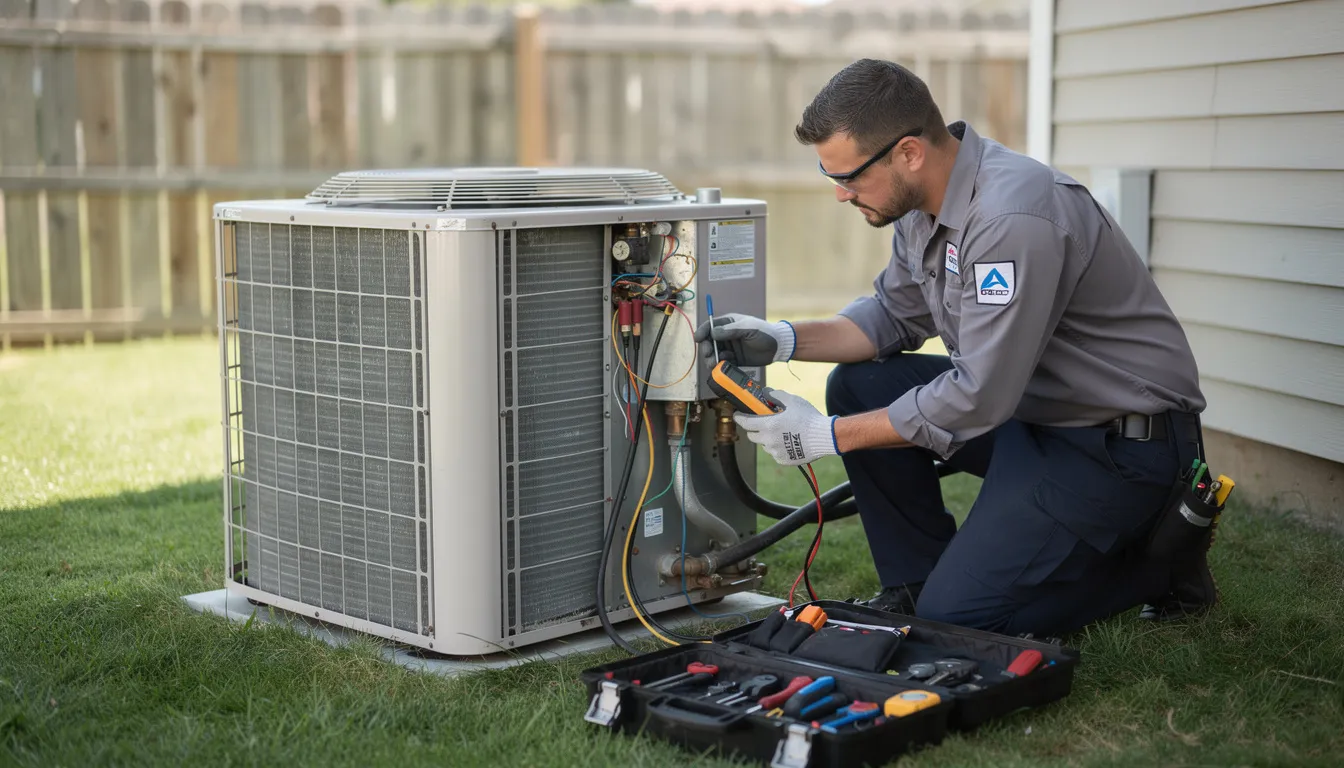
Property management software integration streamlines maintenance tracking by automating scheduling, work order generation, and expense documentation. These systems maintain complete maintenance history for each property, enabling data-driven decisions about equipment replacement timing and budget planning. Automated reminders ensure routine tasks aren’t overlooked during busy periods.
Vendor relationship management proves crucial for effective preventive maintenance. Establish preferred contractor networks for specialized services like electrical, plumbing, and roofing work. Pre-negotiate service rates and response time commitments to ensure swift action when maintenance issues arise. Regular vendor performance evaluations maintain service quality standards.
Cost-benefit analysis demonstrates clear financial advantages of preventive maintenance. While upfront costs for routine servicing and inspections require budget allocation, the long-term savings from avoided emergency repairs and extended equipment life significantly outweigh initial investments. Property owners appreciate detailed maintenance records that justify management fees and demonstrate professional oversight.
Seasonal Maintenance Checklists and Scheduling
Spring maintenance tasks focus on preparing properties for increased usage and identifying winter damage. HVAC tune-ups ensure cooling systems operate efficiently during warmer months, while exterior inspections identify roof damage, siding issues, or landscaping needs. Pressure washing walkways and cleaning gutters enhance property appearance and prevent water damage.
Summer priorities emphasize cooling system optimization and outdoor maintenance. Regular filter changes and coil cleaning maintain air conditioning efficiency during peak demand periods. Pest control services prevent infestations that become more problematic in warmer weather. Irrigation system maintenance ensures landscape preservation while controlling water costs.
Fall preparations center on weatherproofing and heating system readiness. Professional heating system servicing includes safety inspections, filter replacement, and efficiency optimization. Gutter cleaning prevents ice dams and water backup issues. Exterior caulking and weatherstripping replacement improve energy efficiency and prevent moisture intrusion.
Winter protocols emphasize freeze prevention and emergency preparedness. Pipe insulation in vulnerable areas prevents costly freeze damage, while emergency heating backup plans ensure tenant comfort during system failures. Snow removal contracts and ice dam prevention measures protect property value and reduce liability exposure.
Documentation of all seasonal maintenance activities creates comprehensive property records valuable for warranty claims, insurance purposes, and future maintenance planning. Regular maintenance schedules demonstrate professional property management and support higher rental rates through improved property condition and tenant satisfaction.
Effective Communication and Tenant Relations
Professional tenant communication serves as the foundation for successful property management, directly impacting tenant satisfaction, lease renewal rates, and operational efficiency. Multi-channel communication strategies ensure tenants can reach management through their preferred methods while maintaining professional response standards that demonstrate competent property oversight.
Response time standards create clear expectations for both tenants and management staff. Non-emergency maintenance requests should receive acknowledgment within 24 hours, with work order scheduling communicated promptly. Emergency situations requiring immediate attention, such as heating failures or water leaks, demand 2-hour maximum response times to prevent property damage and maintain tenant safety.

Tenant portals provide centralized communication platforms where residents can submit maintenance requests, pay rent online, and access important documents like lease agreements and policy updates. These systems create searchable communication histories that prove valuable for dispute resolution and lease enforcement situations. Automated messaging capabilities handle routine communications like rent reminders and lease renewal notices. Clear communication and thorough documentation during move out inspections are also essential to improve tenant relations and minimize disputes.
Conflict resolution strategies focus on early intervention and professional mediation to prevent minor issues from escalating into legal disputes. Document all tenant interactions thoroughly, maintaining detailed records of complaints, resolutions, and follow-up actions. This documentation proves essential for eviction processes or legal disputes while demonstrating good faith management efforts.
Regular tenant satisfaction surveys provide valuable feedback for service improvement and identify potential problems before they impact tenant retention. Anonymous feedback mechanisms encourage honest responses about maintenance quality, communication effectiveness, and overall satisfaction with property management services.
Digital Communication Tools and Platforms
Property management software options like Buildium, AppFolio, and TenantCloud offer comprehensive communication features integrated with financial management and maintenance tracking. These platforms centralize all tenant interactions, creating searchable databases of communication history that support consistent service delivery and dispute resolution.
Automated rent reminders reduce late payments through timely notifications sent via email and text message. Lease renewal notifications ensure adequate notice periods while providing opportunities to update lease terms and rental rates. Maintenance update communications keep tenants informed about repair progress and scheduled service appointments.
Mobile apps enable instant communication between tenants and management staff, allowing photo submission for maintenance requests and real-time status updates. Push notifications ensure important messages reach tenants immediately, while offline access maintains communication capabilities during internet outages.
Emergency communication protocols establish 24/7 availability for urgent situations requiring immediate response. After-hours answering services or management staff rotation ensures tenants can report emergencies like gas leaks, floods, or security concerns without delay. Clear escalation procedures guide staff responses to different emergency types.
Integration with other business systems creates seamless workflows between communication, maintenance scheduling, and financial reporting. This connectivity eliminates duplicate data entry while ensuring all tenant interactions are properly documented and tracked for performance analysis and legal compliance.
Financial Management and Performance Tracking
Accurate financial records form the backbone of successful property management, enabling informed decision-making and demonstrating value to property owners. Monthly financial reporting provides comprehensive analysis of rental income, operating expenses, and net cash flow that guides strategic planning and identifies optimization opportunities.
Budget planning requires careful analysis of historical expenses combined with forward-looking projections for capital improvements and maintenance reserves. Industry standards suggest allocating 1-2% of property value annually for maintenance reserves, though older properties may require higher allocations. Vacancy allowances of 5-10% account for normal turnover periods and market fluctuations.
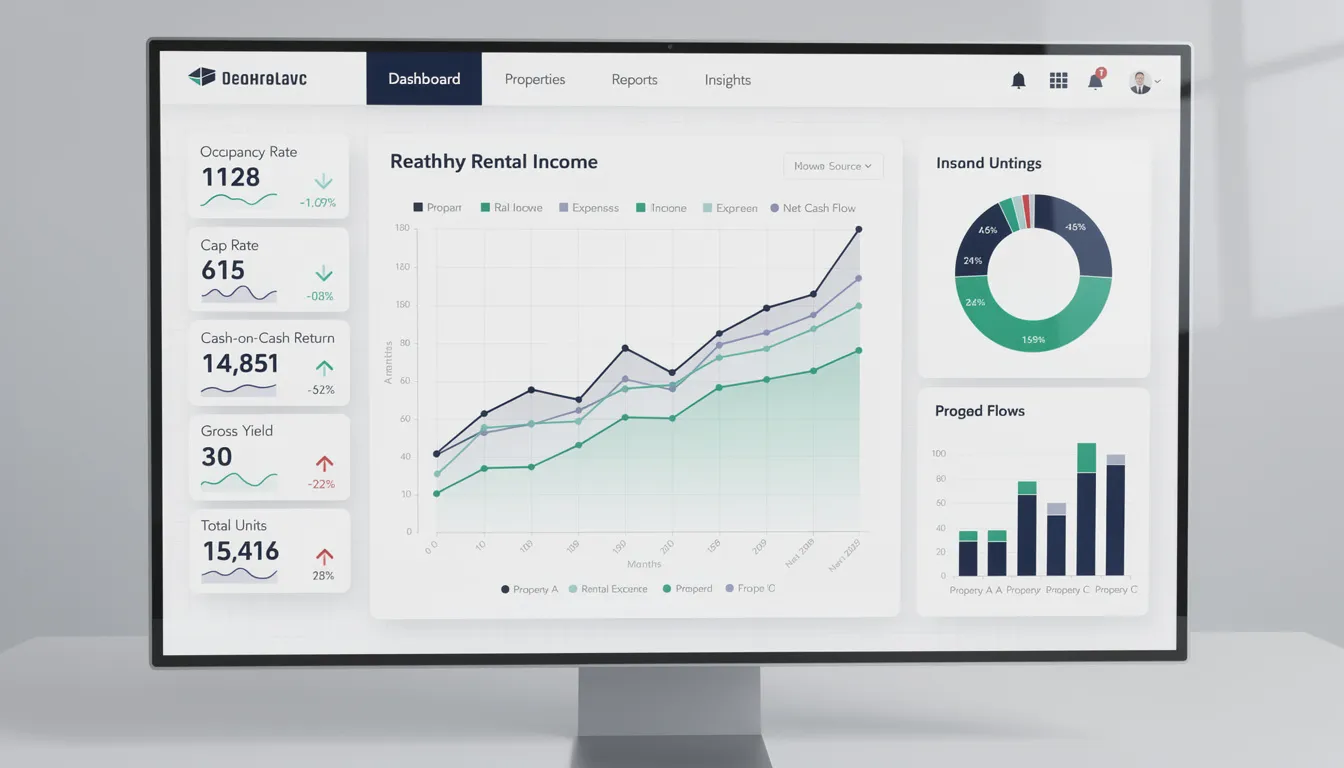
Property management software automates many financial processes, reducing manual data entry errors while providing real-time reporting capabilities. Automated rent collection through ACH transfers or online payment processing improves cash flow consistency while reducing administrative overhead. Property managers collect rent using various methods, including online rent collection systems that offer features like automated reminders, secure payment portals, and the ability to block partial payments. Enforcing late fees and managing partial payments are essential to ensure timely and complete rent payments. Late fee processing and accounting integration streamline revenue management.
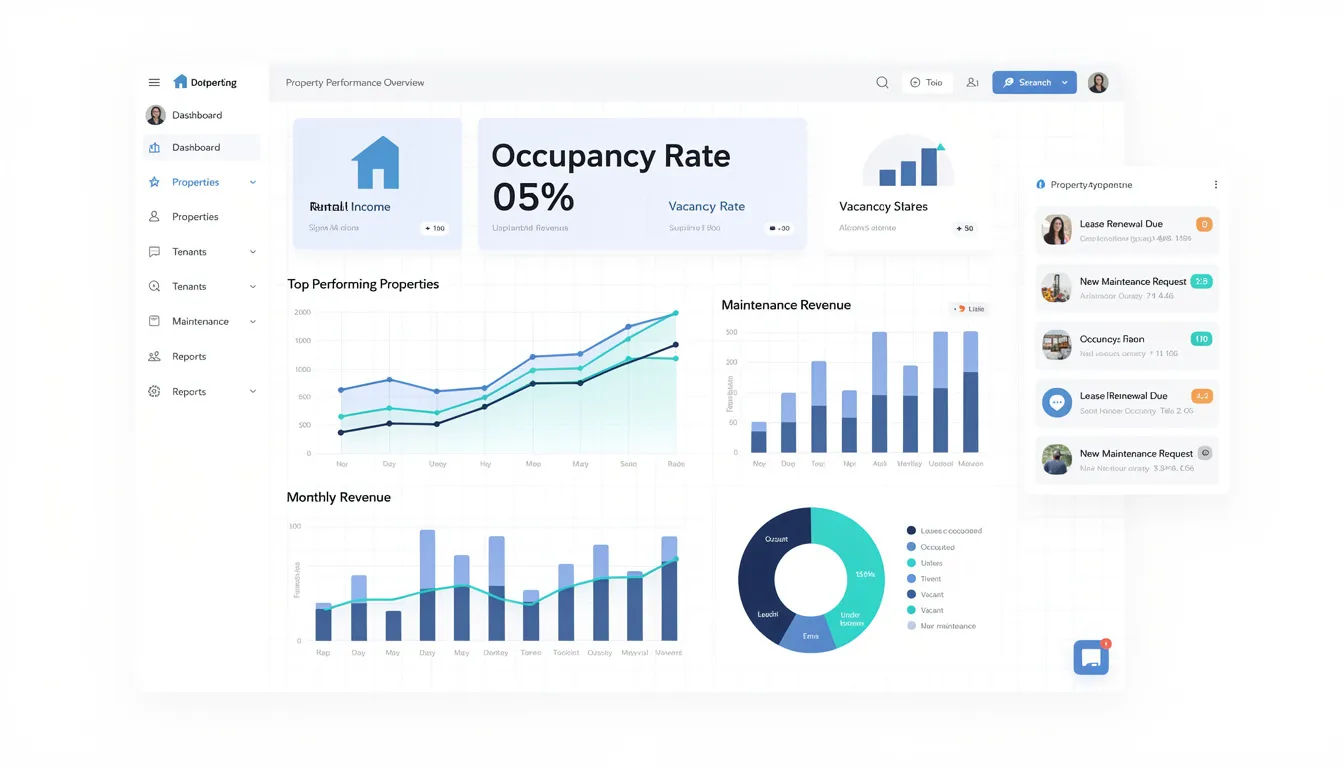
Performance metrics monitoring enables objective evaluation of property management effectiveness. Key indicators include occupancy rates, average days vacant between tenants, cost per unit for maintenance and repairs, and tenant retention percentages. Benchmarking against industry standards identifies areas requiring improvement or optimization.
Tax preparation organization throughout the year simplifies annual tax filing while maximizing available deductions. Separate accounts for each property maintain clear financial records, while proper expense categorization ensures accurate tax reporting. Professional assistance from accountants specializing in rental property taxation provides valuable guidance for complex situations.
Accounting Software and Financial Systems
Cloud-based accounting platforms like QuickBooks Online, FreshBooks, and Stessa specifically designed for rental properties offer features tailored to property management needs. These systems handle multiple properties, track rental income and expenses, generate owner reports, and integrate with banking systems for automated transaction importing.
Automated rent collection systems process monthly rent payments through ACH transfers, credit cards, or online banking, reducing collection time and improving cash flow predictability. Late fee processing follows programmed rules, ensuring consistent enforcement of lease terms while maintaining detailed payment history records.
Expense categorization for tax purposes requires systematic classification of all property-related expenses. Maintenance and repairs receive different treatment than capital improvements, making proper categorization essential for accurate tax reporting. Software automation reduces classification errors while maintaining detailed audit trails.
Banking integration connects property management software with bank accounts to automatically import transactions and reconcile payments. This connectivity reduces manual data entry while ensuring all financial activity is properly recorded and categorized. Multiple account support accommodates separate banking for different properties or property owners.
Regular financial reporting provides property owners with detailed income statements, cash flow analysis, and expense breakdowns that demonstrate professional property management. Customizable report formats accommodate different owner preferences while maintaining consistent financial tracking and performance measurement.
Technology Integration and Automation
Modern property management relies heavily on technology integration to streamline operations, reduce manual errors, and enhance tenant experience. Comprehensive property management software serves as the central hub connecting maintenance tracking, financial management, tenant communication, and reporting functions into unified platforms that dramatically improve operational efficiency.
Smart home technology integration offers compelling benefits for both property owners and tenants. Keyless entry systems eliminate lockout calls and rekeying costs between tenants while providing secure access control. Smart thermostats enable remote temperature monitoring and energy optimization, reducing utility costs while ensuring tenant comfort. IoT sensors for leak detection provide early warning of water damage that could result in costly repairs.
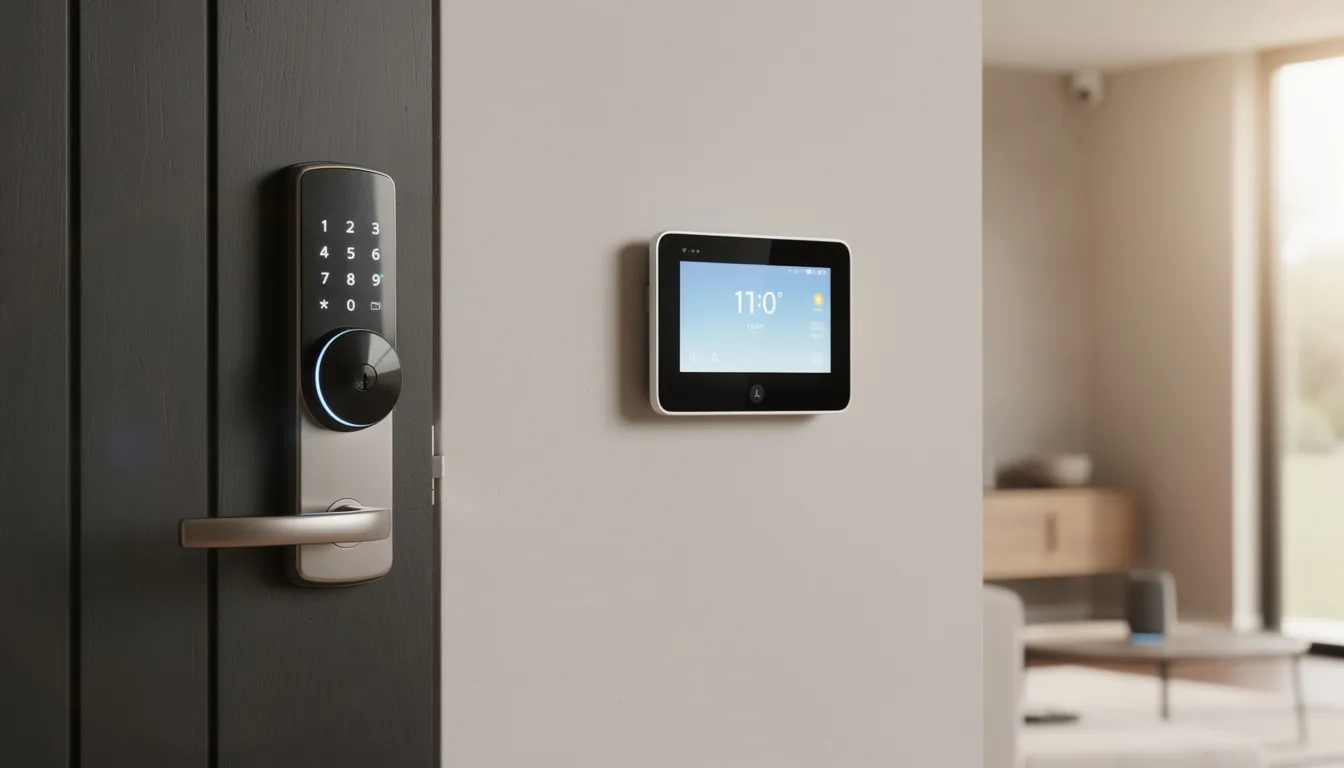
Online tenant portals transform tenant interactions by providing 24/7 access to account information, rent payment capabilities, and maintenance request submission. These self-service platforms reduce administrative overhead while improving tenant satisfaction through convenient access to property management services. Document storage capabilities allow tenants to access lease agreements, policies, and important notices electronically.
Data analytics capabilities within modern property management software provide insights for pricing optimization and market trend analysis. Automated reporting generates key performance indicators that guide strategic decision-making and identify optimization opportunities. Historical data analysis reveals patterns in maintenance costs, tenant turnover, and seasonal occupancy fluctuations.
Workflow automation eliminates repetitive manual tasks while ensuring consistent processes across all properties. Automated rent reminders, lease renewal notifications, and maintenance scheduling reduce administrative workload while maintaining professional service standards. Integration between different software systems creates seamless data flow and eliminates duplicate entry requirements.
Property Management Software Selection
Feature comparison among leading platforms reveals significant differences in functionality, pricing, and integration capabilities. AppFolio offers comprehensive features for larger portfolios with robust accounting and maintenance management. Yardi Breeze provides scalable solutions suitable for growing property management companies. Rent Manager focuses on customization and integration with third-party applications.
Integration capabilities determine how well property management software connects with accounting systems, marketing platforms, and maintenance management tools. API availability enables custom integrations for unique business requirements, while pre-built connections simplify setup and ongoing maintenance. Cloud-based solutions offer superior accessibility and automatic updates compared to on-premise software.
Mobile accessibility ensures property managers and tenants can access essential functions from smartphones and tablets. Native mobile apps typically provide better user experience than browser-based interfaces, particularly for frequent tasks like maintenance request submission and payment processing. Offline capabilities maintain functionality during internet connectivity issues.
Pricing models vary significantly among property management software providers, with options including per-unit monthly fees, percentage of collected rent, or flat monthly rates. ROI analysis should consider both direct software costs and potential savings from reduced administrative time, improved rent collection, and enhanced operational efficiency. Implementation costs and training requirements add to total ownership expenses.
User interface design impacts adoption rates and daily productivity for both management staff and tenants. Intuitive navigation and clear workflow design reduce training time while minimizing user errors. Customization capabilities allow adaptation to specific business processes and branding requirements that enhance professional image.
Legal Compliance and Risk Management
Legal compliance in property management encompasses federal fair housing regulations, state-specific landlord tenant laws, and local building codes that vary significantly across jurisdictions. Property managers must maintain current knowledge of applicable regulations while implementing policies and procedures that ensure consistent compliance across all properties and tenant interactions. Establishing robust financial management practices and reporting protocols is essential as soon as a management agreement is signed, laying the foundation for effective oversight and long-term property success.
Federal fair housing laws prohibit discrimination based on race, color, religion, national origin, sex, familial status, and disability in all aspects of property management. State and local laws may provide additional protected classes requiring careful attention to screening criteria, marketing language, and tenant policies. Regular fair housing training for all staff members helps prevent inadvertent violations that could result in significant legal penalties.
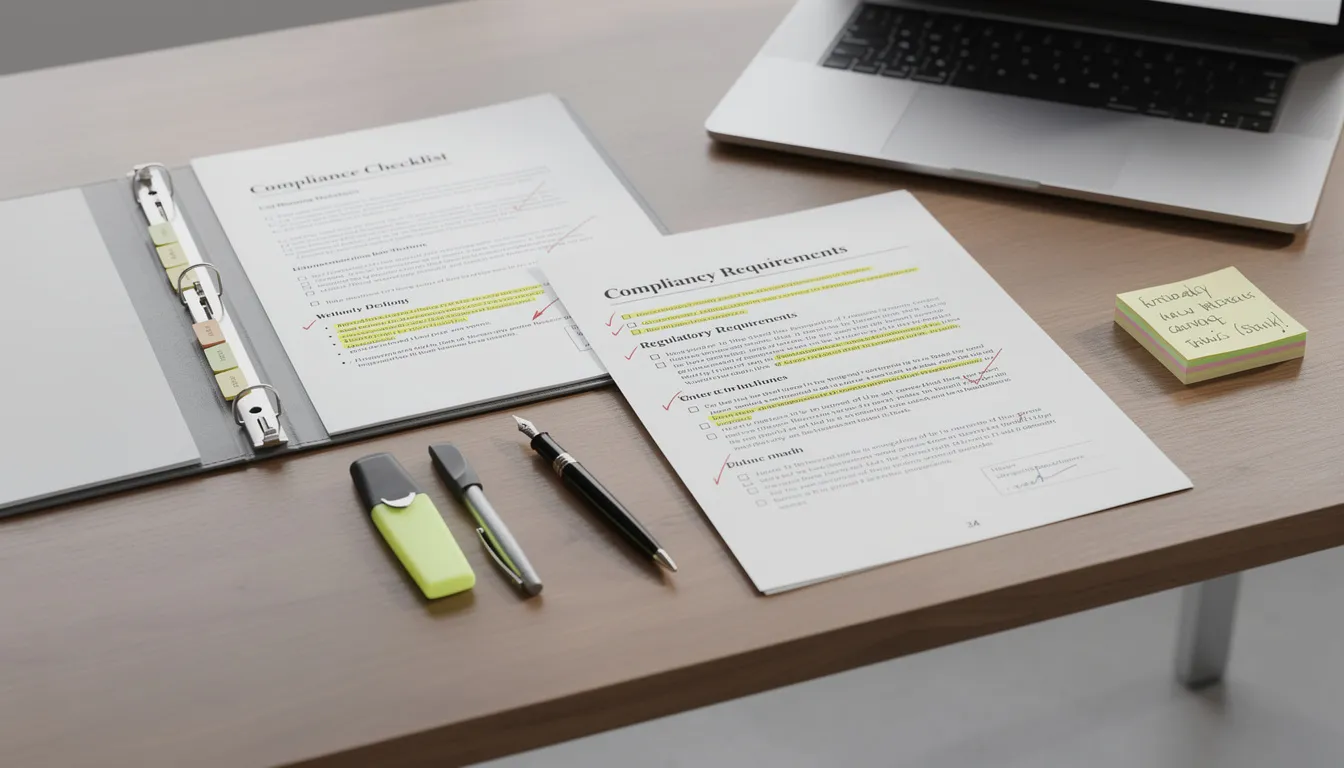
Property safety requirements include functional smoke detectors, carbon monoxide alarms in applicable units, and lead paint disclosure for properties built before 1978. Building codes specify minimum habitability standards for electrical systems, plumbing, and structural integrity that property owners must maintain. Regular safety inspections and prompt remediation of identified hazards protect both tenants and property owners from liability exposure.
Insurance coverage optimization requires annual review of general liability, property damage, and loss of rent protection policies. Umbrella policies provide additional coverage for larger portfolios or higher-risk properties. Professional liability insurance protects against errors and omissions claims related to property management decisions and actions.
Eviction procedures must follow precise legal requirements including proper notice periods, required documentation, and court filing procedures. State laws vary significantly in eviction timelines and tenant protections, making local legal expertise essential for effective enforcement. Documentation of lease violations and communication attempts provides necessary evidence for successful eviction proceedings.
Documentation and Record Keeping
Lease agreement templates must comply with local regulations while clearly defining tenant and landlord responsibilities. Standard lease terms should address rent payment procedures, maintenance responsibilities, pet policies, and lease violation consequences. Regular legal review ensures agreements remain current with changing regulations and court interpretations.
Move-in and move-out inspection procedures create detailed property condition documentation with photographic evidence of existing damage or wear. Standardized checklists ensure consistent evaluation criteria while providing clear records for security deposit disposition. Digital documentation with date stamps provides irrefutable evidence for dispute resolution.
Maintenance records document all repairs, improvements, and routine servicing performed on rental properties. Detailed records support warranty claims, demonstrate due diligence for insurance purposes, and provide historical data for future planning. Integration with property management software creates searchable databases of maintenance history.
Tenant communication documentation includes all notices, complaints, lease violations, and resolution attempts. Email systems create automatic records of electronic communications, while paper notices require careful filing and documentation. This historical record proves essential for legal proceedings and demonstrates good faith management efforts.
Security deposit handling requires compliance with state-specific requirements for separate accounts, interest payments, and disposition timelines. Detailed move-out procedures document deductions for damage beyond normal wear and tear, with supporting invoices and photographs. Prompt return of deposits within legal timeframes prevents penalty liability.
Marketing and Vacancy Management
Professional marketing strategies significantly impact vacancy periods and rental income potential. High-quality photography showcasing property features and recent improvements creates positive first impressions that generate more qualified inquiries. Virtual tours enable remote property viewing that saves time for both prospects and management staff while expanding the potential tenant pool.
Multi-platform listing distribution maximizes exposure across popular rental websites including Zillow, Apartments.com, and Craigslist. Social media marketing through Facebook and Instagram reaches younger demographics while building brand awareness for property management companies. Consistent branding across all platforms creates professional image recognition that supports premium pricing.

Competitive market analysis guides pricing strategies that minimize vacancy periods while maximizing rental income. Regular review of comparable properties ensures competitive positioning as market conditions change. Pricing slightly below market initially can generate multiple applications, allowing selection of the most qualified tenants while reducing days on market.
Lead tracking and conversion optimization require systematic follow-up procedures for rental inquiries. Prompt response to online inquiries demonstrates professional service while capturing interest before prospects move to other options. Showing scheduling systems accommodate tenant preferences while maintaining efficient use of management time.
Application processing workflows ensure qualified prospects receive rapid approval decisions while maintaining thorough screening standards. Streamlined procedures reduce administrative overhead while providing positive tenant experience that supports lease conversion rates. Clear communication of requirements and timelines sets appropriate expectations throughout the leasing process.
Digital Marketing Optimization
SEO optimization for online rental listings improves search ranking and visibility across rental websites. Detailed property descriptions with relevant keywords help properties appear in targeted searches. High-quality photos and complete property information increase click-through rates and inquiry generation.
Review management across Google, Yelp, and apartment review sites requires active monitoring and professional response to both positive and negative feedback. Encouraging satisfied tenants to leave reviews builds positive online reputation that attracts quality prospects. Professional responses to negative reviews demonstrate commitment to service improvement and problem resolution.
Social media marketing strategies leverage Facebook and Instagram advertising to target specific demographics and geographic areas. Professional photography and virtual tours create engaging content that generates shares and extends marketing reach. Regular posting maintains active presence while showcasing available properties and management expertise.
Lead conversion tracking measures the effectiveness of different marketing channels and messaging strategies. Analytics data reveals which platforms generate the highest quality leads and best conversion rates. A/B testing of listing descriptions and photos optimizes content for maximum response rates and qualified inquiries.
Automated follow-up systems ensure prompt response to online inquiries through email and text messaging. Chatbot integration on websites provides immediate response to common questions while capturing contact information for personal follow-up. CRM systems track lead sources and conversion rates for marketing optimization.
Performance Measurement and Continuous Improvement
Key performance indicators provide objective measurement of property management effectiveness across multiple operational areas. Tenant retention rates reflect overall management quality, with industry benchmarks of 70-80% annual retention for well-managed properties. Average rent collection time indicates financial management efficiency, with best practices achieving 95%+ collection within the first week of each month.
Regular property portfolio reviews analyze market position relative to comparable properties and identify opportunities for rental rate optimization or capital improvements. Market trends analysis guides strategic decisions about property improvements, rental pricing, and portfolio expansion or disposition. Financial performance comparison across properties reveals best practices that can be replicated throughout the portfolio.
Tenant satisfaction surveys provide direct feedback about service quality and identify areas requiring improvement. Anonymous feedback mechanisms encourage honest responses about maintenance responsiveness, communication effectiveness, and overall satisfaction with property management services. Survey results guide staff training priorities and operational improvements.
Benchmarking against industry standards helps identify performance gaps and optimization opportunities. Professional property management associations publish industry statistics for comparison purposes. Regular analysis of operational efficiency metrics reveals trends requiring attention and validates improvement initiatives.
Maintenance cost analysis per unit identifies properties requiring additional attention or budget allocation. Tracking maintenance requests by category reveals common issues that might benefit from preventive maintenance programs or capital improvements. Historical data analysis guides budget planning and vendor performance evaluation.
Operational efficiency improvements often result from technology integration and workflow optimization. Regular review of administrative processes identifies automation opportunities that reduce manual workload while improving accuracy. Staff productivity metrics help identify training needs and resource allocation requirements.
Continuous improvement requires systematic evaluation of all operational aspects combined with willingness to adapt procedures based on performance data and industry developments. Regular staff meetings discuss performance metrics and improvement opportunities while maintaining focus on tenant satisfaction and property owner objectives.
The property management industry continues evolving through technology advancement and changing tenant expectations. Successful property managers remain adaptable while maintaining focus on fundamental principles of professional service, financial management, and property preservation that drive long-term success.
Property management best practices create sustainable competitive advantages through improved operational efficiency, enhanced tenant satisfaction, and stronger financial performance. Implementation requires commitment to systematic approaches and ongoing refinement based on performance measurement and industry developments.
Starting with comprehensive tenant screening and preventive maintenance programs provides immediate benefits that justify investment in additional best practices. Technology integration amplifies these benefits while creating scalable systems for portfolio growth. Legal compliance and professional service standards protect against risk exposure while building reputation for quality management.
The compound effects of implementing these best practices create substantial value for property owners through improved rental income, reduced operating expenses, and enhanced property values. Professional property management transforms real estate investment from passive ownership to active asset optimization that generates superior returns through systematic, strategic management approaches.
Setting Up Property Management
Establishing a robust property management system is the first step toward achieving operational excellence and maximizing returns for property owners. For both new and experienced property managers, laying a solid foundation ensures that rental properties are managed efficiently, legal compliance is maintained, and tenant satisfaction remains high.
The setup process begins with clearly defining the roles and responsibilities of everyone involved in property management, from on-site staff to maintenance teams and administrative support. Creating standardized procedures for core responsibilities—such as rent collection, lease agreements, maintenance requests, and tenant communication—ensures consistency and reduces the risk of errors or oversights.
Selecting the right property management software is a critical decision at this stage. Modern platforms centralize essential functions like financial management, maintenance tracking, and document storage, allowing property managers to streamline operations and minimize manual data entry. Automated workflows for rent payments, maintenance scheduling, and financial reporting not only save time but also enhance accuracy and transparency for property owners.
Legal compliance must be built into every aspect of the property management system from the outset. This includes understanding and adhering to local and federal laws, such as fair housing regulations, landlord tenant laws, and building codes. Proper documentation—ranging from lease agreements to move-in checklists—protects both property managers and property owners from potential legal disputes and ensures that all processes meet regulatory standards.
A well-structured property management system also prioritizes tenant satisfaction. By implementing best practices for communication, maintenance response, and lease administration, property managers create a positive living experience that encourages tenant retention and reduces costly turnover. Efficient systems for handling maintenance requests and providing timely updates further demonstrate professional oversight and commitment to tenant needs.
Ultimately, setting up an effective property management system is about creating a scalable framework that supports growth, maximizes rental income, and delivers consistent results. By leveraging technology, adhering to best practices, and maintaining strict legal compliance, property managers and property owners position their rental properties for long-term success in a competitive market.